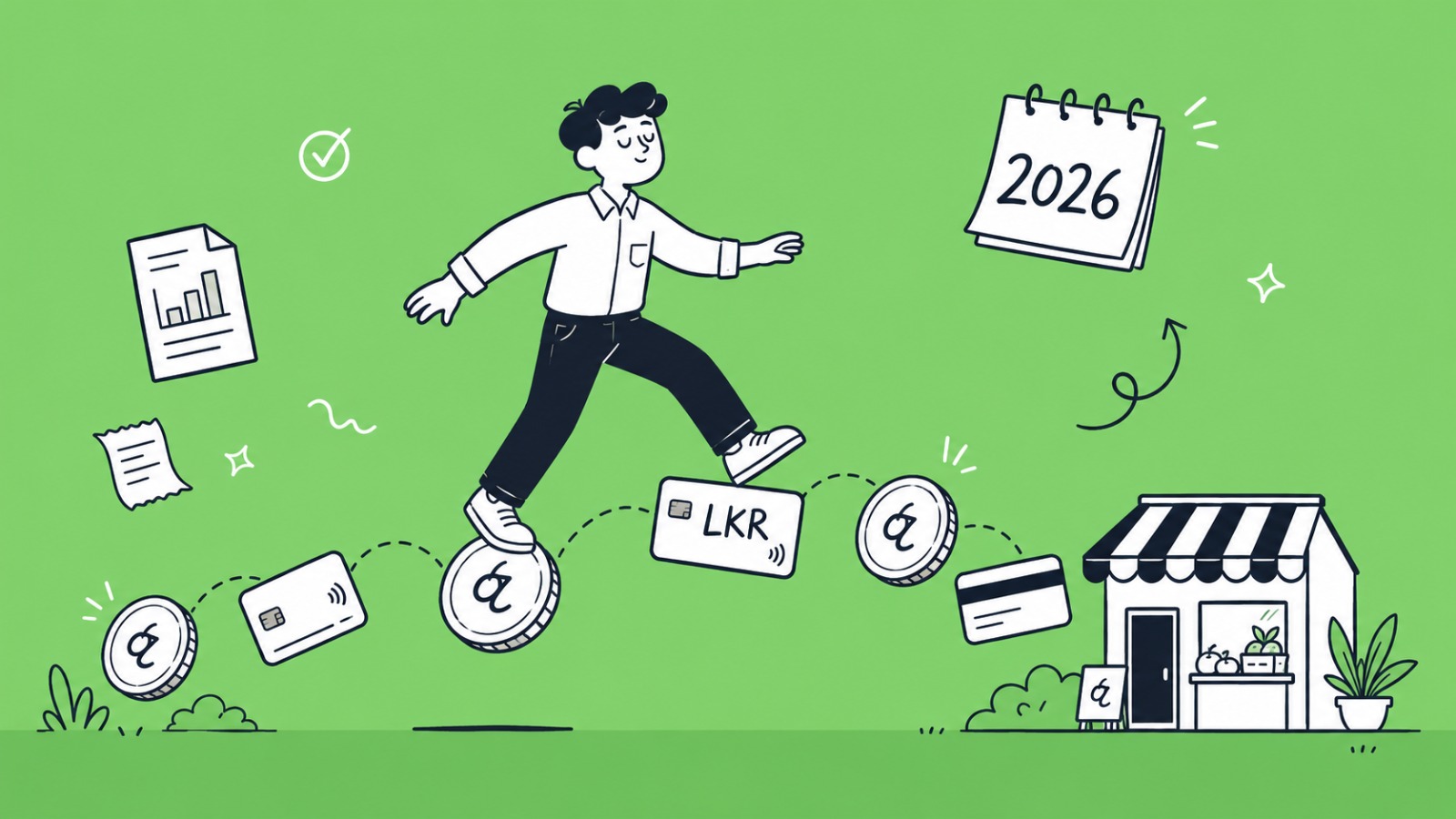
Digital payments are becoming a bigger part of everyday life in Sri Lanka. From scanning QR codes at local shops to paying bills through mobile banking apps, cashless transactions are now faster, easier, and more widely accepted than ever before. As banks, fintech companies, and government initiatives continue to improve digital payment services, consumers and businesses have more options than ever in 2026.
In this guide, you’ll learn how the digital payments landscape in Sri Lanka has evolved, the most popular payment methods and apps, how LANKAQR and online payment gateways work, the benefits and challenges of going cashless, and what the future holds. Read on to discover everything you need to know about digital payments in Sri Lanka in 2026.
What Are Digital Payments?
Digital payments are money transactions made electronically instead of using cash or cheques. This includes paying with a card, mobile app, QR code, or bank transfer. The money moves directly between accounts through a bank or payment network, without any physical currency changing hands.
In Sri Lanka, digital payments now cover everyday activities like paying for groceries, sending money to family, settling utility bills, and shopping online. Banks, telecom companies, and fintech apps all offer ways to make these payments through a phone or computer.
More Sri Lankans are choosing digital payments for several reasons:
- Convenience: Payments can be made anytime, without visiting a bank or carrying cash
- Speed: Transactions are completed in seconds
- Wider access to smartphones: More people now own smartphones with internet access
- Government support: Programs like GovPay and fee waivers make digital payments more attractive
- Safer than carrying cash: Less risk of theft or loss
- QR code payments: LANKAQR has made it easy for even small vendors to accept digital payments
- Growing online shopping: More people buy goods and services online, which requires digital payment options
These factors together are pushing Sri Lanka toward a more cashless economy in 2026.
Digital Payments in Sri Lanka at a Glance (2026)
Sri Lanka’s digital payment space has grown fast heading into 2026. More banks, telecom providers, and fintech companies now offer digital payment options, and usage keeps rising across both cities and smaller towns.
Current payment trends:
- QR code payments through LANKAQR are now accepted at over 400,000 merchants island-wide.
- Mobile banking apps and digital wallets are becoming the preferred choice for daily transactions.
- Cross-border QR payments now connect Sri Lanka with countries like Nepal, along with platforms such as Alipay+ and UPI, making it easier for tourists to pay digitally. [Source: Lankapay news]
Growth of cashless payments:
- Cash use is gradually declining as more people shift to cards, QR codes, and mobile apps.
- E-commerce and online shopping continue to drive demand for digital checkout options.
- Small businesses and street vendors are increasingly accepting digital payments alongside cash.
Government and banking support:
- The government aims for 100% digital government transactions by 2030.
- QR payment fees are waived for transactions below Rs. 5,000.
- GovPay allows citizens to pay for government services online.
- Banks like Commercial Bank, BOC, and Sampath Bank are expanding partnerships with global platforms like PayPal to support freelancers and businesses.
Together, these trends show Sri Lanka moving steadily toward a cash-lite economy.
Types of Digital Payment Methods Available in Sri Lanka
Sri Lankans now have several ways to pay digitally, each suited to different needs. Some of them are as follows:
- Debit Cards: Linked directly to a bank account, debit cards let users pay at shops, online stores, and ATMs. Money is deducted instantly from the account balance.
- Credit Cards: Credit cards allow purchases now and repayment later. They’re widely used for online shopping, subscriptions, and larger purchases, often with added rewards or instalment plans.
- Mobile Banking Apps: Apps like Combank Digital, Sampath Vishwa, HNB SOLO, and BOC SmartPay let customers check balances, transfer funds, and pay bills directly from their phones.
- Digital Wallets: Wallets like FriMi, iPay and Genie store card and account details in one app, letting users pay, top up, and transfer money without entering details each time.
- QR Code Payments (LANKAQR): Users scan a merchant’s QR code to pay instantly from their bank app or wallet. It’s fast, low-cost, and widely accepted, from supermarkets to small vendors.
- Internet Banking: Web-based banking lets customers pay bills, transfer funds, and manage accounts from a computer, without visiting a branch.
- Contactless (Tap-to-Pay) Payments: Cards or phones with NFC technology allow quick payments by simply tapping a POS terminal, no PIN needed for small amounts.
- Online Payment Gateways: Platforms like PayHere and WebXPay let businesses accept card and wallet payments on their websites, powering Sri Lanka’s growing e-commerce sector.
Comparison: Bank Apps vs Digital Wallets vs QR Payments
| Method | How It Works | Best For | Fees | Where Accepted |
| Bank Apps | Linked to your bank account for transfers and payments | Existing bank customers | Usually free or low-cost | Most merchants, bills, transfers |
| Digital Wallets | Store multiple cards/accounts in one app | Quick, flexible everyday payments | Free to low fees | Growing merchant network |
| QR Payments | Scan and pay via LANKAQR | Small purchases, small vendors | Free below Rs. 5,000 | 400,000+ merchants island-wide |
What is LANKAQR
LANKAQR is Sri Lanka’s national QR code payment standard, developed by LankaPay under guidance from the Central Bank of Sri Lanka. It allows customers to pay by scanning a single QR code with their bank app or digital wallet, instead of using cash or cards. The system follows EMVCo specifications, meaning it works across many different banks and payment apps through one unified code, rather than requiring a separate QR for each provider.
Currently, 22 financial institutions are connected to the LANKAQR network, and it’s accepted at more than 400,000 merchants across the country, from supermarkets to small roadside vendors.
Benefits of LANKAQR
| For Consumers | For Businesses |
| No need to carry cash or cards | Low-cost way to accept digital payments |
| Pay instantly by scanning a code | No card machine needed |
| Works across multiple banks and wallets | Faster settlement of funds |
| Fees waived on payments below Rs. 5,000 | Easy to set up, even for small vendors |
| Reduces risk of theft or lost cash | Builds trust with digitally-minded customers |
Recent Updates in 2026
LANKAQR has expanded beyond domestic use in 2026:
- Nepal connectivity: Sri Lanka and Nepal launched cross-border QR payment connectivity in May 2026, letting Nepali travellers pay using their own mobile banking apps at LANKAQR merchants
- Alipay+ partnership: A collaboration between LankaPay, the Sri Lanka Tourism Development Authority, and Alipay+ now allows tourists from over 40 countries to pay using wallets like Alipay, WeChat Pay, and UPI
- Growing international network: These partnerships mark Sri Lanka’s move toward a more connected, tourist-friendly digital payment system, reducing the need for currency exchange
These updates position LANKAQR as a key part of Sri Lanka’s push toward a cash-lite economy, both for locals and visitors.
What are the Most Popular Digital Payment Apps in Sri Lanka
Several apps lead Sri Lanka’s digital payment space, each with its own strengths.
1. FriMi (Nations Trust Bank–backed digital bank/wallet)
FriMi is Sri Lanka’s first fully digital bank, powered by Nations Trust Bank. It offers a real savings account, mobile wallet, and payment features, all managed through the app without visiting a branch. Users can transfer funds, pay merchants via QR or NFC, and access a FriMi debit card at LankaPay ATMs island-wide.
2. Genie (Dialog’s bank-agnostic financial super app)
Genie, powered by Dialog Axiata, works as a financial super app rather than a traditional wallet. It lets users link multiple bank accounts, cards, and the eZ Cash wallet in one place. Unlike FriMi, Genie isn’t tied to a single bank, making it flexible for users across different banking providers. It also supports LANKAQR payments, bill payments, and even stock market investments.
3. Commercial Bank Digital Banking
Commercial Bank’s app allows customers to transfer funds, pay bills, and manage accounts, with strong support for QR payments and international transactions, including the newly launched PayPal partnership.
4. Sampath Vishwa
Sampath Bank’s digital banking platform supports fund transfers, bill payments, and account management, widely used by both individual and business customers.
5. HNB SOLO
HNB’s mobile app offers everyday banking features like transfers, bill payments, and card management, built for ease of use on smartphones.
6. BOC SmartPay
Bank of Ceylon’s payment app supports QR payments and digital transactions, extending BOC’s large customer base into the digital space.
7. People’s Pay
People’s Bank’s mobile app allows customers to make payments, transfer funds, and manage accounts digitally.
8. Other Banking Apps
Most other local banks, including DFCC and NDB, offer their own mobile banking apps with similar core features: transfers, bill payments, and QR-based transactions, reflecting how widespread digital banking has become across Sri Lanka.
What are the Online Payment Gateways Used by Sri Lankan Businesses
Sri Lankan businesses selling online rely on payment gateways to accept card and wallet payments through their websites.
PayHere
PayHere is the most widely used gateway for Sri Lankan online stores. It integrates easily with WooCommerce and Shopify, and supports cards along with wallets like eZ Cash, mCash, FriMi, and Genie. The Lite plan is free to set up, with a card fee of around 3.30% and monthly limits of Rs. 200,000. Higher-volume sellers can move to Plus or Premium plans for lower fees and higher limits.
WebXPay
WebXPay is another local gateway offering card processing and recurring billing for businesses with higher transaction volumes. It’s often chosen by companies needing more advanced payment features or higher monthly caps than PayHere’s entry-level plan.
Direct Bank Payment Gateways
Banks like Commercial Bank and Sampath Bank offer their own payment gateway services (IPGs), letting businesses accept card payments directly through a banking relationship rather than a third-party provider. These typically involve higher setup or annual fees but suit larger, established businesses.
International Payment Options
For businesses earning from overseas clients:
- PayPal: Now available in Sri Lanka through partner banks (Bank of Ceylon, Commercial Bank, and Sampath Bank), PayPal helps freelancers and businesses receive international payments and withdraw to a local account.
- Stripe: Not directly available for Sri Lankan companies. So, founders typically register a business abroad (US or UK) to access it.
- Dialog Genie: A practical option for freelancers and individual sellers without a registered business, since signup only requires an NIC.
Choosing the right gateway depends on business size, sales volume, and whether payments come from local or international customers. For platform-based freelancers, Wise and Payoneer are also widely used for receiving foreign income.
Want to unlock Stripe from Sri Lanka?
We handle your US LLC or UK company registration in 24 to 48 hours.
How Businesses Accept Digital Payments
Businesses in Sri Lanka now have several ways to accept digital payments, whether they run a physical shop, an online store, or both.
QR Code Payments
Many businesses, from supermarkets to small roadside vendors, display a LANKAQR code at checkout. Customers simply scan it with their bank app or digital wallet to pay instantly. It’s low-cost, requires no extra hardware, and settles quickly, making it popular with small and medium businesses.
Card Machines (POS)
Point-of-sale terminals let businesses accept debit and credit card payments, including contactless tap-to-pay. These are common in retail stores, restaurants, and supermarkets, and are usually provided by banks along with a merchant account.
Online Checkout
E-commerce businesses integrate payment gateways like PayHere or WebXPay directly into their websites. This lets customers pay by card or wallet during checkout without leaving the site, which is essential for online stores and subscription services.
Payment Links
Some businesses, especially small sellers or freelancers, share a simple payment link through WhatsApp, social media, or email. Customers click the link and pay directly, no website or app needed. This is useful for businesses without a full online store.
Mobile Payment Solutions
Apps like Genie and FriMi allow businesses to accept payments directly through mobile devices, sometimes using tools like QR codes or NFC. Mastercard’s Soundbox and Softbots, introduced in 2026, also help small merchants accept and confirm digital payments affordably, without needing a traditional card machine.
What Can You Pay via Digital Payments in Sri Lanka
Digital payments now cover almost every type of transaction, from daily personal expenses to business operations and government services.
| Category | What You Can Pay For |
| Personal | Groceries and retail shopping, restaurant bills, fuel, mobile and internet top-ups, streaming subscriptions, online shopping, food delivery, ride-hailing services, sending money to family and friends |
| Business | Supplier and vendor payments, employee salaries, office utilities, business loan repayments, POS transactions, invoice settlements, B2B transfers |
| Government Services | Utility bills (electricity, water), income tax and other taxes, vehicle registration and license renewals, government service fees, local council payments (via GovPay) |
Personal Payments
Everyday spending, from buying groceries to paying for a taxi, can now be done through QR codes, mobile wallets, or bank apps. Subscription services like Netflix or Spotify, along with online shopping and food delivery, also rely heavily on digital payment methods.
Business Payments
Businesses use digital payments not just to receive money from customers, but also to pay suppliers, staff, and recurring expenses. This reduces the need for cash handling and makes record-keeping easier for accounting and tax purposes.
Government Services
Citizens can pay for a growing range of government services online through platforms like GovPay, including utility bills, tax payments, and license renewals. This is part of the government’s push toward 100% digital government transactions by 2030, with many local councils now offering digital payment options for services like tax and license issuance.
What are the Challenges Facing Digital Payments in Sri Lanka
Despite rapid growth, digital payments in Sri Lanka still face several hurdles.
- Cash still remains popular: Many people, especially in rural areas, continue to prefer cash for everyday transactions. Habit, trust, and familiarity keep cash in wide use, even as digital options grow.
- Internet and smartphone access: Reliable internet and smartphone ownership aren’t universal across the country. Areas with weak connectivity or limited device access struggle to adopt digital payment methods fully.
- Cybersecurity risks: As digital payments grow, so do risks like phishing, fraud, and scams. Building strong security awareness among users remains an ongoing challenge for banks and fintech providers.
- Digital literacy: Not everyone is comfortable using apps, QR codes, or online banking. Older users and those unfamiliar with smartphones often need extra support to shift away from cash.
- Merchant adoption: While QR payments are expanding, many small vendors and informal businesses haven’t yet adopted digital payment tools, whether due to cost, complexity, or simply preferring cash transactions.
Addressing these challenges will be key to Sri Lanka’s move toward a truly cash-lite economy.
Things You Need to Keep in Mind When Using Digital Payments Safely
As digital payments become part of daily life, staying safe online is just as important as using the technology itself.
- Protect your PIN and passwords: Never share your PIN, password, or OTP with anyone, even if they claim to be from your bank. Avoid writing them down or saving them in easily accessible places.
- Enable two-factor authentication: Turn on two-factor authentication (2FA) for banking apps and wallets whenever available. This adds an extra layer of security, making it harder for anyone to access your account even if they know your password.
- Avoid public Wi-Fi for banking: Public Wi-Fi networks are less secure and easier to intercept. Use mobile data or a trusted private network when making payments or checking your bank account.
- Watch out for scams: Be cautious of unexpected calls, messages, or emails asking for personal or banking details. Scammers often pose as bank representatives or offer fake prizes to trick users into sharing sensitive information.
- Check transaction alerts: Keep SMS or app notifications turned on for every transaction. Reviewing alerts regularly helps you spot unauthorized activity early and report it before further damage occurs.
Following these simple habits can help you enjoy the convenience of digital payments while keeping your money and information secure.
Tips for Businesses Moving to Digital Payments
Shifting to digital payments can help businesses grow, but a smooth transition takes some planning.
- Choose the right payment method: Pick a payment solution that fits your business size and customer base. A small vendor might only need a LANKAQR code, while a larger business may benefit from a POS machine or online payment gateway.
- Accept multiple payment options: Don’t rely on just one method. Offering QR payments, cards, and mobile wallets gives customers flexibility and reduces the chance of losing a sale due to limited payment options.
- Display QR codes clearly: If using LANKAQR, place the code somewhere visible and easy to scan, near the checkout counter or at eye level. A clear, well-printed code reduces confusion and speeds up transactions.
- Train employees: Make sure staff know how to process digital payments, handle failed transactions, and assist customers who are new to paying digitally. Well-trained employees create a smoother checkout experience.
- Monitor payment reports: Regularly check transaction reports from your bank or payment provider. This helps track sales, spot errors early, and keep accurate records for accounting and tax purposes.
Taking these steps helps businesses build customer trust while making the move to digital payments easier and more efficient.
Need help setting up global payments for your Sri Lankan business?
Future of Digital Payments in Sri Lanka
Sri Lanka’s digital payment space is set to keep expanding in the coming years, backed by strong government and private sector support.
- Cash-lite economy: With the government targeting 100% digital government transactions by 2030, cash use is expected to keep declining. Fee waivers on small QR payments and continued digitalization of local government services will push more everyday transactions online.
- More QR code adoption: LANKAQR is likely to reach even more merchants, including small vendors and informal businesses, as awareness grows and setup becomes easier. Wider acceptance will make QR payments a default choice for everyday purchases.
- Growth of fintech: Open banking and API-driven collaboration between banks and fintech companies are expected to bring more personalized financial services, better remittance options, and new digital wallet features.
- Cross-border digital payments: Following partnerships with Nepal and Alipay+, more countries are likely to connect with Sri Lanka’s payment network. This will make it easier for tourists and expatriates to transact without currency exchange hassles.
What to expect beyond 2026
Expect deeper integration of digital payments into sectors like agriculture, tourism, and public transport, alongside continued investment in digital ID systems like SL-UDI. As infrastructure and digital literacy improve, digital payments will likely become the standard way Sri Lankans pay, not just an alternative to cash.
Conclusion
Digital payments have become an essential part of everyday life in Sri Lanka, offering faster, safer, and more convenient ways for people and businesses to manage money. From LANKAQR and mobile banking apps to online payment gateways and digital wallets, the country has made significant progress toward a more cash-lite economy. Government initiatives, growing fintech innovation, and wider merchant acceptance are also helping accelerate this shift.
While challenges such as digital literacy, cybersecurity, and cash dependence still remain, the overall outlook for 2026 and beyond is positive. As more Sri Lankans embrace digital payment solutions and new technologies continue to emerge, cashless transactions are expected to become even more common. Whether you’re a consumer, business owner, or freelancer, staying informed about Sri Lanka’s digital payment landscape will help you take full advantage of the opportunities ahead.
Key Takeaways
- Digital payments in Sri Lanka include cards, mobile banking apps, digital wallets, QR code payments, and online bank transfers.
- LANKAQR has become one of the country’s most widely accepted payment methods, making cashless transactions easier for consumers and businesses.
- Mobile banking apps and digital wallets continue to grow in popularity because they offer fast, convenient, and secure payment options.
- Online payment gateways such as PayHere and WebXPay help Sri Lankan businesses accept digital payments through their websites.
- Digital payments are now commonly used for shopping, paying bills, sending money, business transactions, and government services.
- Businesses can improve customer convenience by accepting multiple payment methods, including QR codes, cards, and mobile wallets.
- Users should protect their accounts by using strong passwords, enabling two-factor authentication, and staying alert to online scams.
- Challenges such as cash dependence, limited digital literacy, cybersecurity risks, and uneven internet access still affect digital payment adoption.
- Government initiatives and partnerships with banks and fintech companies are helping expand Sri Lanka’s digital payment ecosystem.
- Sri Lanka is moving steadily toward a cash-lite economy, with digital payments expected to become even more common beyond 2026.
FAQs
Mobile banking apps and QR code payments via LANKAQR are currently the most widely used, thanks to wide merchant acceptance and low or zero fees. Digital wallets like FriMi and Genie are also gaining popularity, especially among younger, smartphone-first users.
Yes, for most everyday transactions. QR payment fees are waived for transactions below Rs. 5,000, making it essentially free for typical purchases like groceries or meals. Some higher-value transactions or specific bank policies may involve small charges.
Yes, when proper precautions are taken. Banks and fintech providers use encryption, two-factor authentication, and fraud monitoring. However, users should still protect their PINs, avoid public Wi-Fi for banking, and stay alert to scams to keep their accounts secure.
Yes. Through partnerships with Alipay+, tourists from over 40 countries can pay using wallets like Alipay, WeChat Pay, and UPI. Nepali travellers can also use their domestic apps via cross-border LANKAQR connectivity, reducing the need for currency exchange.
Not always. Bank-agnostic wallets like Genie let users link cards or accounts from multiple banks. However, apps like FriMi require an underlying bank account, since they function as a full digital banking service tied to Nations Trust Bank.
Check your transaction history or SMS alerts first, funds are often auto-reversed within a few hours. If the amount isn’t refunded, contact your bank or payment provider with the transaction reference number to report the issue and request assistance.
CEFTS (Common Electronic Fund Transfer Switch) enables real-time, round-the-clock interbank transfers in Sri Lanka. It replaced slower settlement methods, letting users send money between different banks instantly through mobile or internet banking, rather than waiting for next-day processing.
The Central Bank of Sri Lanka (CBSL) regulates the country’s payment systems and e-money services. LankaClear, operating under CBSL guidance, manages national payment infrastructure like LANKAQR and CEFTS, ensuring security and interoperability across banks and payment providers.
Digital payments make online shopping faster and more accessible, letting customers pay by card, wallet, or QR code at checkout. This has helped local businesses expand online, reduced reliance on cash-on-delivery, and supported the growth of Sri Lanka’s e-commerce sector.